



So, you want to hunt some coyotes? You want the thrill of outsmarting and taking a predator that only knows survival? Or are you seeking that sharp and electric charge to your nerves the moment a coyote responds to your call with a lone, drawn-out howl, and then a choir of yips and barks follows?
Prepare yourself, because once you experience it, you may get hooked just like I did. It’s a challenge unlike any other, and for many hunters, it quickly becomes more than just a hobby.
My name is Jon Bolton, and over the last few years, coyote hunting has grown from a simple interest into a true passion of mine.

Why Coyote Hunting Matters
On just about any night at my home in central North Carolina, I can step outside after dark and hear coyotes howling from multiple directions, sometimes close enough to make the hair stand up on the back of my neck.
With several farm animals on our property, I wanted to be prepared to protect them from hungry predators looking for an easy meal. What started as a way to help control the local coyote population quickly turned into an obsession with the challenge and strategy behind predator hunting.
A lot of people misunderstand coyote hunting, but in many states, it plays an important role in wildlife management. With few natural predators left, coyote populations can grow rapidly and impact livestock, turkey populations, deer fawns, pets, and other wildlife. Responsible hunting helps keep that balance in check while also protecting farms and rural communities.

Understanding Local Hunting Regulations
When it comes to coyote hunting, there are two main approaches: day hunting and night hunting. Both can be extremely effective, and while many hunters prefer one or the other, some take advantage of both.
Before getting started, make sure you research your state’s hunting laws and regulations regarding predator seasons, legal hunting hours, and approved equipment. Some states do not allow nighttime predator hunting at all.

Choosing the Right Rifle for Coyote Hunting
Now let’s talk gear.
First, you’re going to need a rifle, or a shotgun if you plan on getting up close and personal. The most important thing is choosing a firearm you are comfortable and experienced with that can make clean, ethical shots at the distances you expect to hunt.
Some of the most common calibers for coyotes include .22-250, .223, .243, and even 6mm or 6.5 Creedmoor.
Personally, I like to be a little different. I’m a die-hard lever gun fan, and my go-to rifle in most situations is a Marlin Dark Series chambered in .30-30. It’s more of a mid-range setup, but in my area, I’m rarely taking shots past 200 yards.
When I expect to make longer shots, I swap the lever gun for a Ruger American Gen II chambered in .223.

Selecting the Right Optic for Coyote Hunting
The next must-have piece of equipment is a good optic. Whether you hunt during the day or at night, your optic is one of the biggest factors in being effective and successful.
DNT offers thermal optics, day/night digital optics, and traditional glass optics that fit a wide range of budgets and hunting styles. For beginners, the most important thing is finding something within your budget that suits your needs and hunting environment.
Why Thermal and Night Vision Are Game Changers
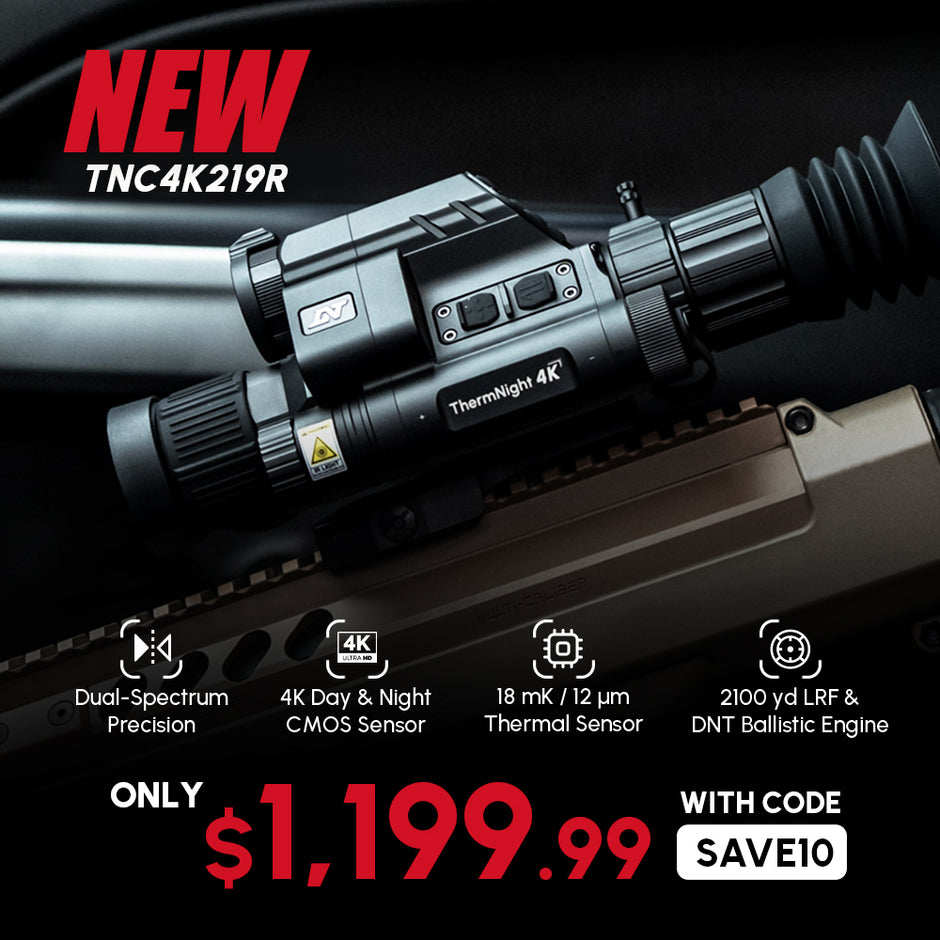
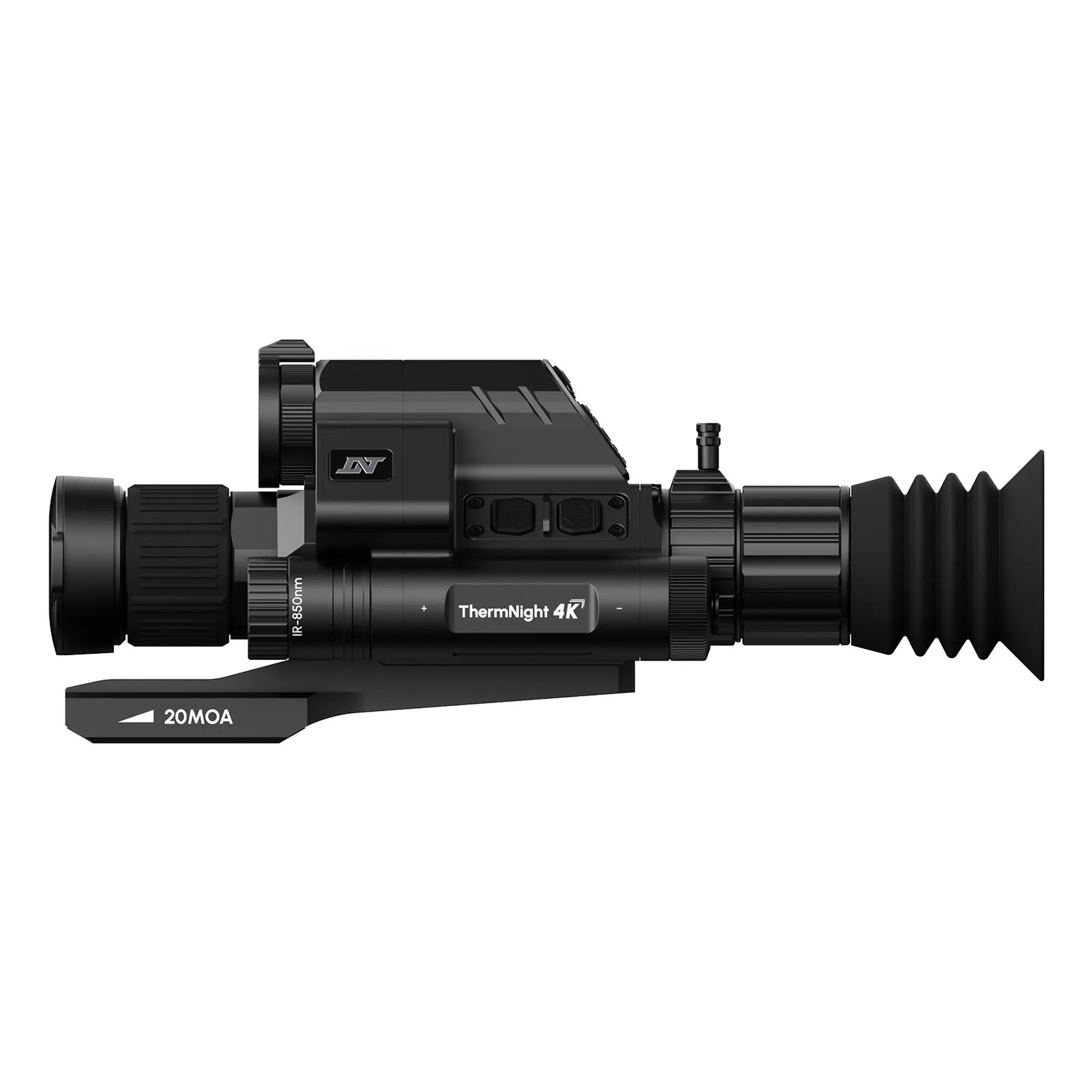
I primarily hunt at night, and in my experience, few setups are as effective for predator hunting as the DNT ThermNight series. One of the biggest advantages it has over many other optics on the market is the ability to use day vision, night vision, and thermal all in one unit.
The Picture-in-Picture feature even allows you to run thermal and night vision simultaneously on the same screen.
That capability has been a game changer for me. Countless times, I’ve been able to quickly spot movement through thermal imaging and immediately determine whether I was looking at a coyote or a neighbor’s dog by switching to night vision.
There have also been many situations where coyotes hidden in tall grass were nearly impossible to detect in night vision alone but stood out instantly in thermal mode.

The Advantage of a Handheld Thermal Scanner
If your budget allows it, another piece of equipment many hunters consider essential is a handheld thermal scanner like the DNT HOUND. A handheld scanner allows you to cover far more ground quickly and efficiently without constantly swinging your rifle around. It also helps reduce unnecessary movement and noise, both of which can easily alert a predator.
Another advantage of the HOUND thermal monocular is its built-in LRF, allowing you to range your targets in an instant.

Stabilizing Your Shot with a Tripod
Unless you’re a natural John Wayne, you’re probably going to need a tripod or some sort of shooting support. There are many different options on the market, but I use a FatBoy Elevate tripod with a ball head. This allows me to make the most accurate shot possible while standing and, at times, shooting at a moving target.

Choosing the Best Coyote Calls
Next, you’re going to need a call.
While it’s possible to get lucky, most coyotes aren’t simply going to wander into your setup without a reason. There are two basic types of calls: mouth calls and electronic calls.
Again, make sure you check your state and local regulations, because some areas restrict or prohibit electronic calls for predator hunting.
Based on my experience, electronic calls are the quickest and easiest way for beginners to start calling in coyotes consistently. Mouth calls can be extremely effective as well, but they often require a lot of practice to sound realistic.
I personally use a FoxPro X24, but the main thing is finding a call with a solid variety of prey distress sounds and coyote vocals. You’ll want options such as rabbit distress, bird distress, and fawn distress, along with coyote vocalizations like lone howls, pair howls, pup distress, and fight sequences.

Finding Places to Hunt Coyotes
The final piece you need to get started is ground to hunt.
You can absolutely hunt your own property or a friend’s property and have success, but if you truly want to improve your odds, you need access to areas where you know coyotes are active. That often means gaining permission from landowners.
Not everyone will immediately grant permission to hunt their property, but building relationships and trust goes a long way. Before long, one landowner may recommend you to another, and suddenly you have multiple properties and far more stand locations to work with.

Safety and Respect for Other Hunters
One thing I’ve learned along the way is that coyote hunters can sometimes be territorial themselves, much like the animals they pursue. Whenever I gain permission on a property, I always ask whether any other predator hunters also have access.
It helps avoid potential conflicts and, more importantly, prevents dangerous safety situations where multiple hunters unknowingly hunt the same property at the same time.

Final Advice for New Coyote Hunters
Lastly, one piece of advice that would have helped me when I first started: be persistent.
Don’t get discouraged because you make multiple stands without calling one in, or because coyotes howl back but never fully commit. I can’t even count how many stands I made before finally getting the opportunity to pull the trigger on my first coyote.
But one thing is certain: you’ll never call one in sitting on the couch. The opportunities only come when you’re willing to get out there, put in the time, and make the stand.