




Turkey Hunting Tips: Expert Q&A on Safety, Gear, Calls & Youth Hunting
Remember the heartwarming turkey hunt story written by Clay McEachern? He's now back with some essential questions and answers regarding to turkey hunting. Don't miss this article if you want to own the turkey season.
What’s the #1 rule for all turkey hunters?
Gun safety—always.
Don’t just teach new hunters how to shoot. Teach them how the firearm works, how to operate it, clean it, and—most importantly—how to keep themselves and others safe. The goal is to prepare them for when they’re on their own, so they can make smart, safe decisions and eventually pass that knowledge down.
How young is too young to start hunting?
Every kid is different.
Start by simply taking them with you. Keep it fun and easy—focus on the experience, not the harvest. You’ll know when they’re ready to step up beside you or behind the gun.
Don’t rush it. Nothing discourages a young hunter faster than failure without preparation. Practice matters—a lot.
Also, make sure they’re using a properly sized shotgun. If a firearm is too big, it throws off their form, alignment, and accuracy. A good fit builds confidence and success.
For smaller kids, a tripod can help stabilize the gun. And hunting from a blind is a huge advantage—it hides movement and keeps them comfortable, especially since turkeys rely heavily on their eyesight.

How should youth hunters practice?
Practice like it’s the real hunt.
Don’t just shoot at targets sitting still. If you hunt from a blind—practice from a blind. Work on:
-
Shooting left and right
-
Getting on target quickly
-
Squeezing the trigger smoothly
A helpful trick: occasionally fake-load the gun. You’ll quickly see if they’re jerking the trigger.
Confidence comes from repetition. When they’re ready, give them a shot—you won’t regret it.

Sights or no sights?
That depends on the hunter.
Some hunters swear by traditional setups, others prefer optics. If it builds confidence and improves accuracy—use it.
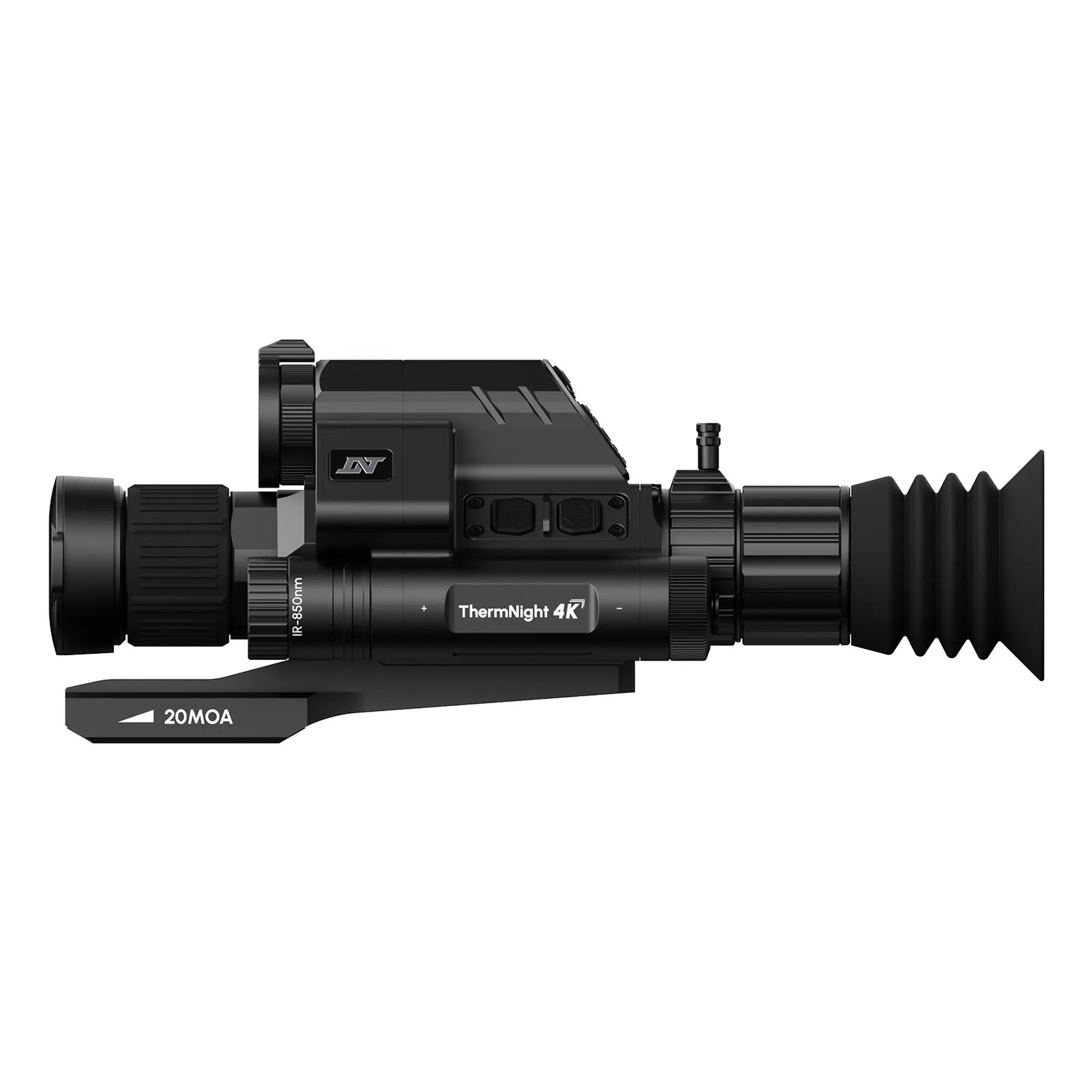
Running a red dot like the NVMD-C200 can be a game changer, especially for youth hunters:
-
Makes aiming simple—just put the reticle on target
-
Helps eliminate issues like lifting their head off the stock
-
Allows them to focus and make a clean shot
The built-in recording feature is a huge bonus. It lets you relive the moment and, more importantly, review missed shots. In the moment, kids often don’t know what went wrong—video helps teach that.

Do you need a big shotgun for turkeys?
No—you need the right setup.
.410, 20 gauge, 12 gauge—it doesn’t matter as much as patterning your shotgun.
Test different loads and distances so you know:
-
What ammo performs best
-
What your effective range is
Sometimes a 3" shell patterns better than a 3½" depending on the gun. The key is knowing your setup before the hunt.

Do you need a turkey choke?
Not always.
When hunting with youth at close range (5–15 yards), a tight turkey choke can actually hurt you. The pattern is small, leaving little room for error.
A modified choke opens the pattern slightly, giving kids a better chance at success.
For more experienced hunters or longer shots, a turkey choke is a great option—especially for birds that hang up.

What turkey calls work best?
It’s less about the call—and more about practice.
The three main types:
-
Box Call – Easy to use, loud, great in wind
-
Slate Call – Versatile, can be soft or loud
-
Diaphragm Call (Mouth Call) – Most realistic, hands-free, but hardest to master
For beginners, stick with box or slate calls. Mouth calls are deadly effective—but take time to learn.

How much should you call?
Less than you think.
You don’t need to be perfect—you just need to sound like a turkey and know when to stop.
If a gobbler responds, give him time, let him work his way in, and call just enough to keep his interest.
If a bird is coming in and sees your decoys—don’t call at all. Let him commit.
A big mistake is overcalling. Patience kills more birds than noise.
Also—stay ready. Turkeys will sneak in silently more often than you think.

What’s one tip most hunters overlook?
Slow down and enjoy it.
When a bird gets close, don’t rush the shot. Let it play out. Watch the behavior:
-
Strutting
-
Fighting decoys
-
Interacting naturally
Some of the best moments happen right before the shot.
But stay ready—turkeys can disappear just as fast as they show up.

Final Thought
Take a kid hunting.
There’s nothing more rewarding than watching a young hunter succeed. You’re not just teaching them how to hunt—you’re building memories and continuing a tradition that matters.
For more content on turkey hunting, visit our Turkey Season page.